Tāne’s Tree Trust
Donate Join Facebook
  • Home
  • Become a member
    • Application form
  • Projects
  • Resources
    • Questions and answers
    • Native Forest Toolkit
    • Native Plant Monitoring
    • Factsheets
    • Publications
    • Bulletins
    • Newsletters
    • Databases
    • Videos
    • Submissions
    • Other links
    • Tōtara publications & resources 
  • Species profiles
    • Black Maire
    • Hinau
    • Kahikatea
    • Kaikawaka
    • Kamahi
    • Kanuka
    • Kohekohe
    • Kowhai
    • Mangeao
    • Manoao
    • Matai
    • Miro
    • Pink Pine
    • Pohutukawa
    • Pukatea
    • Puriri
    • Rewarewa
    • Tanekaha
    • Taraire
    • Titoki
    • Totara
  • News & events
    • Newsletters
    • Annual General Meetings
    • Philosophical Forest
  • About us
    • Strategy
    • Trustees
    • Management committee
    • Northland Totara Working Group (NTWG)
  • Contact us
  1. Home
  2. News & events
  3. Articles
  4. Fighting Kauri die back (PTA) at Pukemokemoke

News article

Fighting Kauri die back (PTA) at Pukemokemoke
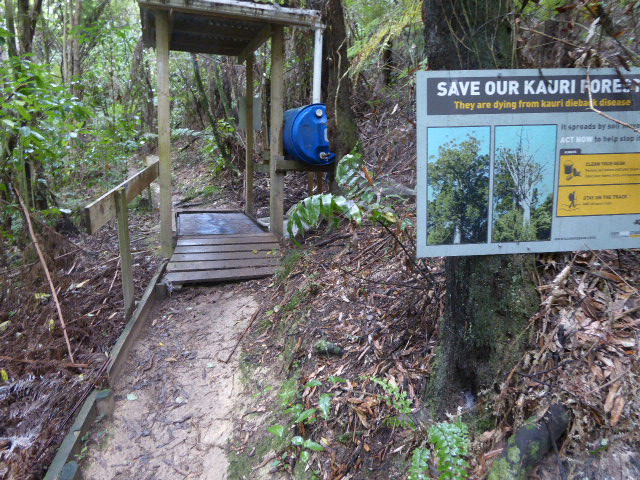
The David Johnstone Pukemokemoke Bush Reserve is a 40ha patch of forest situated at Tauhei, 20 minutes north of Hamilton. It contains an excellent range of lowland forest species including kauri and a declining population of hard beech. A massive effort has removed extensive weed populations of privet, pampas, honeysuckle and gorse, as well as total control of possums, stoats and rats. We have about 40 kauri trees on the leading ridge, several of decent size and this outlier represents one of the southernmost natural stands of kauri in the country.

Recognizing the spread of PTA (Phytophthora taxon Agathia) and the need to control the spread of soil from footwear we erected covered walkthrough foot wash stations above and below the stand. While these are a step up from the manual boot washing stations so far used, we have acknowledged that this was not the full answer to keeping PTA out of the reserve.

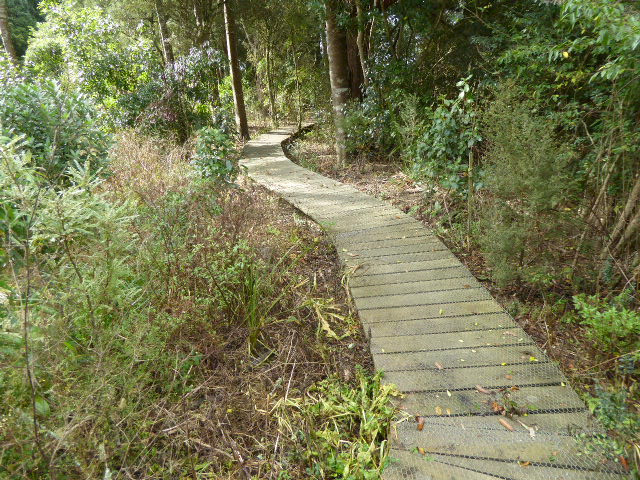
Taking advice from DOC and from those working on the spread of PTA we have resolved to construct a raised wooden walkway for 360m through the kauri area, and add further boot washing apparatus at the top and bottom of the stand of kauri. Regional Council (Environment Waikato) have already donated $12,000 to assist with this and we have applied to Waikato District Council for the balance of the $32,000 we have budgeted. The picture shows a section of walkway we have already constructed for access at another part of the reserve. We have a faithful bunch of volunteers who do most of the work in the reserve and have resolved to do all the construction with volunteer labour.

By Warwick Silvester

Posted: 25 May 2016

Prev article
All articles
Next article
  • News & events
    • Newsletters
    • Annual General Meetings
    • Philosophical Forest

Subscribe to our newsletter

Disclaimer: the contents of this website, including any links to other websites and resources, are not intended to be a substitute for specific specialist advice on any matter and should not be relied on for that purpose. Tāne’s Tree Trust shall not be liable on any ground for any loss, damage, or liability incurred as a direct or indirect result of any reliance by any person upon information contained or opinions expressed on this website or via any links to other websites or resources.

© 2026 Tāne’s Tree Trust • Website by RS

Tāne’s Tree Trust
  • Home
  • Become a member
    • Application form
  • Projects
    • Transitioning Exotic Forest to Native
    • Developing a functional supply chain and building local capacity for farm-tōtara in Northland
    • Native Forest for Resilient Landscapes (NFRL)
    • Indigenous Forestry Plantation Database
    • Indigenous Forestry Reference Database
    • Waikereru Ecosanctuary Seed Island Project
    • Accelerating landscape scale restoration of native forest
    • Valuing the provision of ecosystem services on private land
    • Pūniu River Care audit
    • Establishing Native Forests factsheet series
    • Normalising Native Forestry
    • Training Videos and Workshops for Best-Practice Restoration
    • Close-to-nature continuous cover forestry project
    • The planting native forests toolkit
    • Seed island vs seed orchard contract
    • O Tātou Ngahere ‒ Our Forest
    • A Practical Guide to Managing Tōtara on Private Land
    • Re-Measurement of Farm Tōtara Project
    • Our Forests Our Future
    • Adaptive management of coastal forestry buffers
    • Totara Industry Pilot Project (TIP)
    • Performance of open-ground and container-raised natives planted on hill country, Lake Taupo catchment
    • Tāne’s Tree Trust Technical Handbook
    • National survey of indigenous plantations for carbon accounting
    • Indigenous tree bulletin series
    • Review of existing uses and market opportunities for farm-grown totara in Northland
    • Landscape concept plan for afforestation of lowland Waikato hill country reserve
    • Northland totara riparian project
    • Pathways to code compliance for farm-totara timber
    • Monitoring Native Planting Programmes
    • Managing delays in planting natives due to Covid-19
    • TUR workshops for Growing Native Forests series
    • Tall Tree Booklet
  • Resources
    • Questions and answers
    • Native Forest Toolkit
    • Native Plant Monitoring
    • Factsheets
    • Publications
    • Bulletins
    • Newsletters
    • Databases
    • Videos
    • Submissions
    • Other links
    • Tōtara publications & resources 
  • Species profiles
    • Black Maire
    • Hinau
    • Kahikatea
    • Kaikawaka
    • Kamahi
    • Kanuka
    • Kohekohe
    • Kowhai
    • Mangeao
    • Manoao
    • Matai
    • Miro
    • Pink Pine
    • Pohutukawa
    • Pukatea
    • Puriri
    • Rewarewa
    • Tanekaha
    • Taraire
    • Titoki
    • Totara
  • News & events
    • Newsletters
    • Annual General Meetings
    • Philosophical Forest
  • About us
    • Strategy
      • Tāne’s Tree Trust Approach to Biosecurity Issues
      • Tāne’s Tree Trust Guidelines to Species Selection, Ecosourcing and Seed Collection
    • Trustees
    • Management committee
    • Northland Totara Working Group (NTWG)
      • Join NTWG
      • NTWG projects
      • NTWG publications & resources
      • NTWG newsletters
  • Contact us
  • Search...